How to catalogue your home library
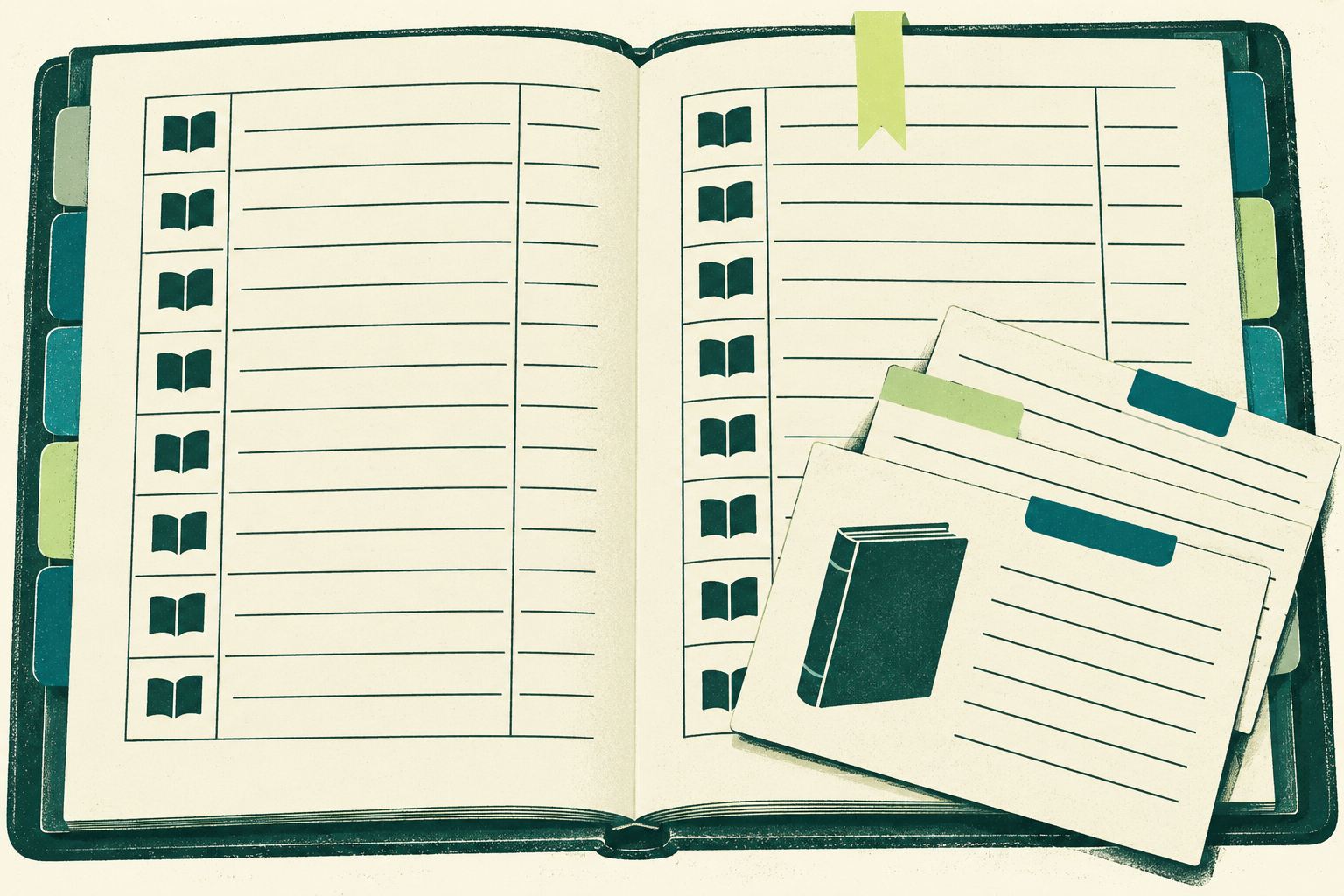
Catalogue your home library with a simple record, reliable edition details and shelf locations, then keep it useful with a small routine.
Stories about books, music, and the discoveries worth keeping.
Catalogue your home library with a simple record, reliable edition details and shelf locations, then keep it useful with a small routine.
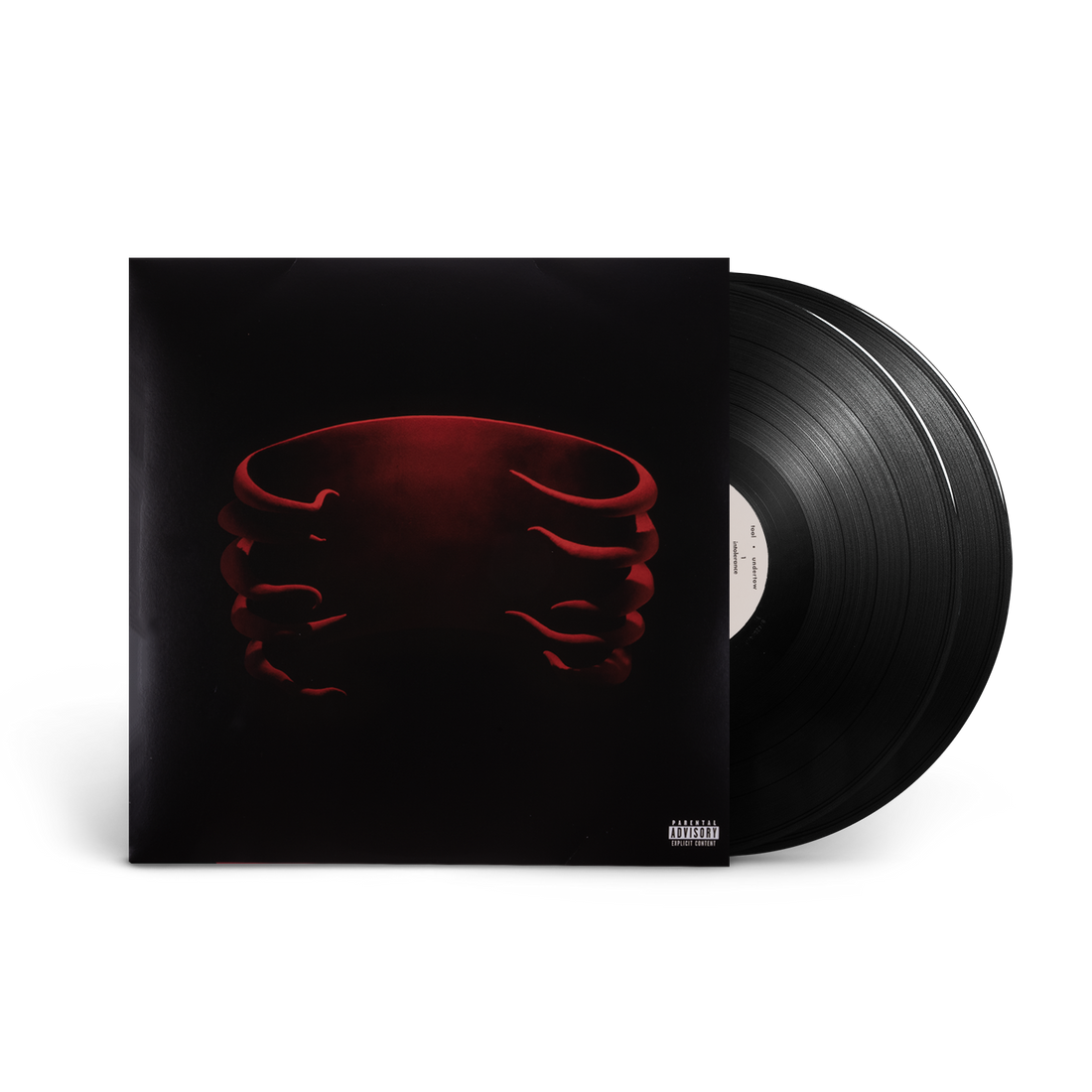
Listen again to Tool’s 1993 debut, watch the official “Sober” and “Prison Sex” videos, and explore original CDs, early vinyl, regional rarities and anniversary packaging.
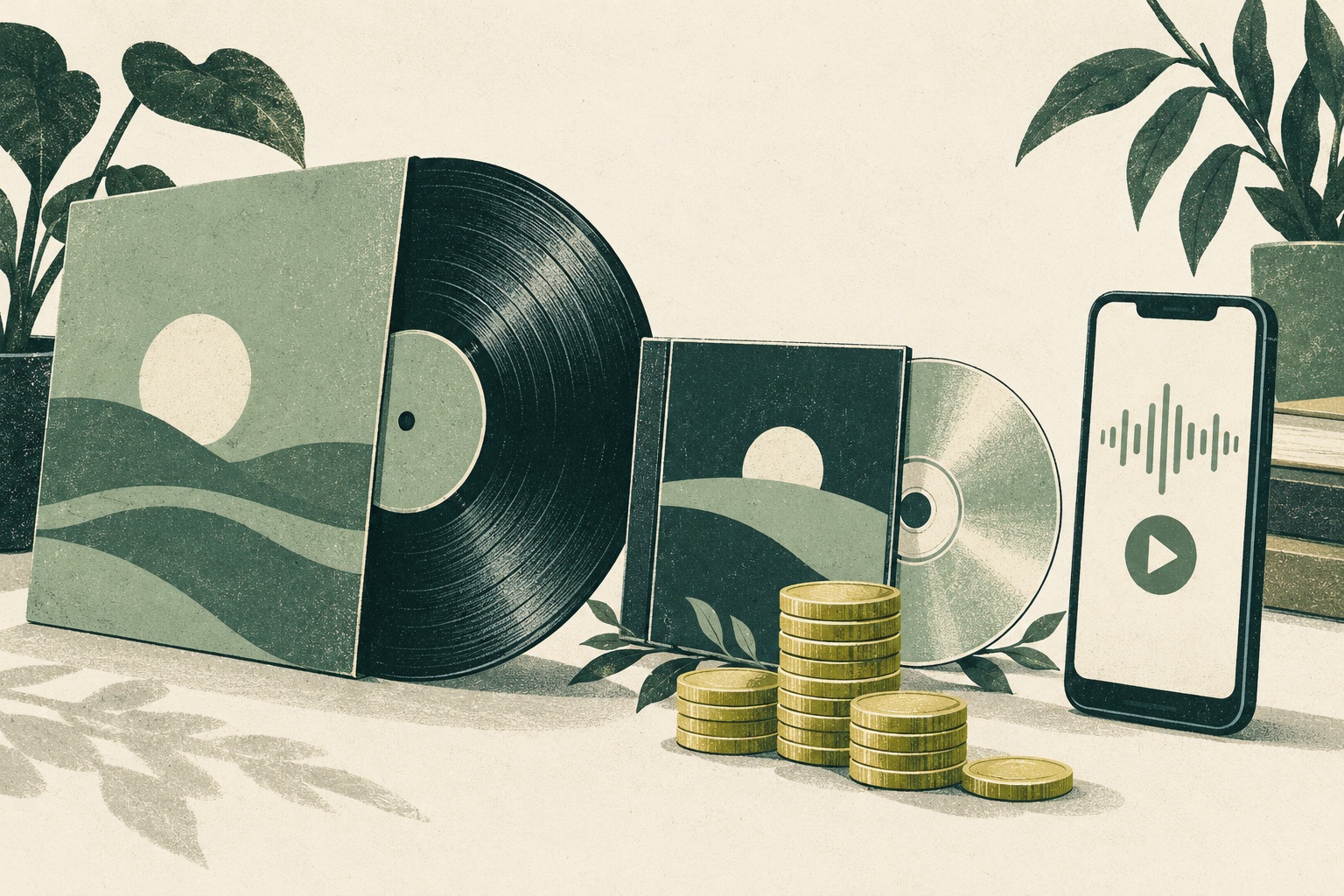
Love the album? Here’s what a CD, a vinyl record and 1,000 streams might put in the artist’s pocket—and why buying direct matters.
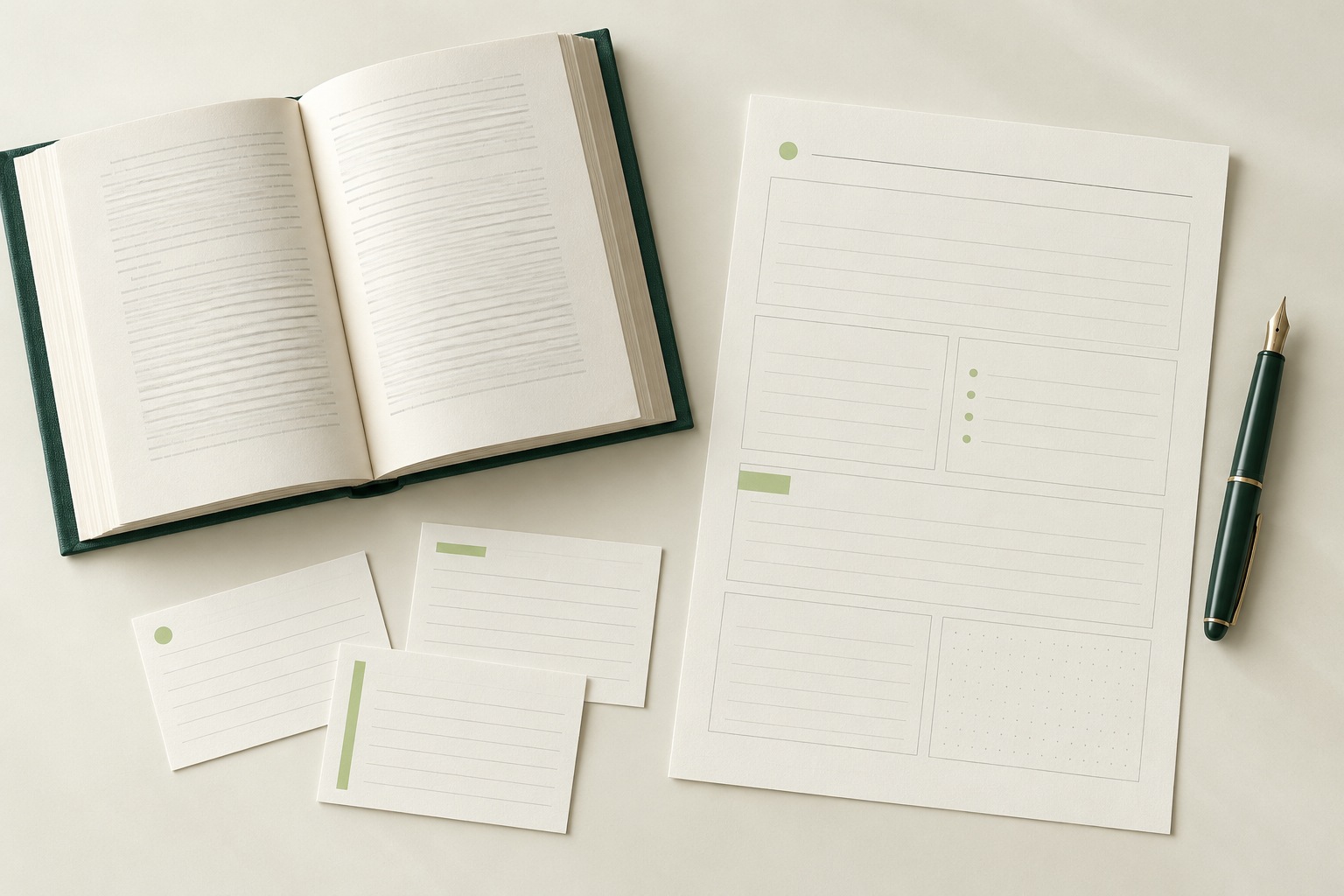
Reading notes can capture a whole book or a single idea. Choose a useful format with five illustrated templates for summaries, ideas, quotes, responses and themes.
A riff caught on a phone, a new London performance video, and a few uneasy questions. A closer listen to “Starless”, with its story and 7-inch editions.
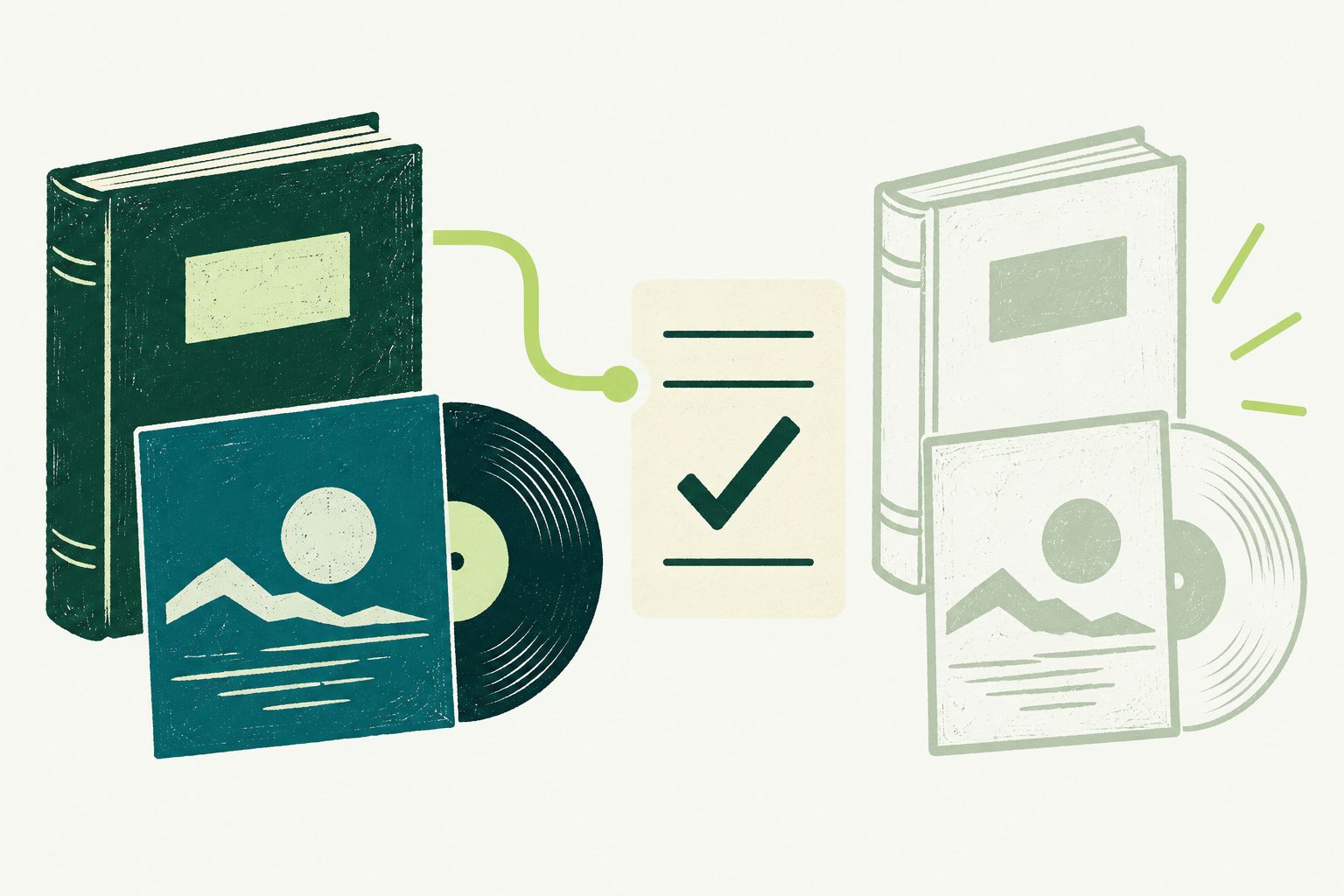
Use a quick ownership-and-edition check before buying books or music. Distinguish accidental duplicates from the editions you actually want to collect.
Identify a vinyl record using its barcode, catalog number, labels and runout markings. Learn what to compare before choosing a catalog release.
Catalog your CD collection with a practical barcode-and-edition checklist. Compare labels, catalog numbers, disc counts and packaging before saving.
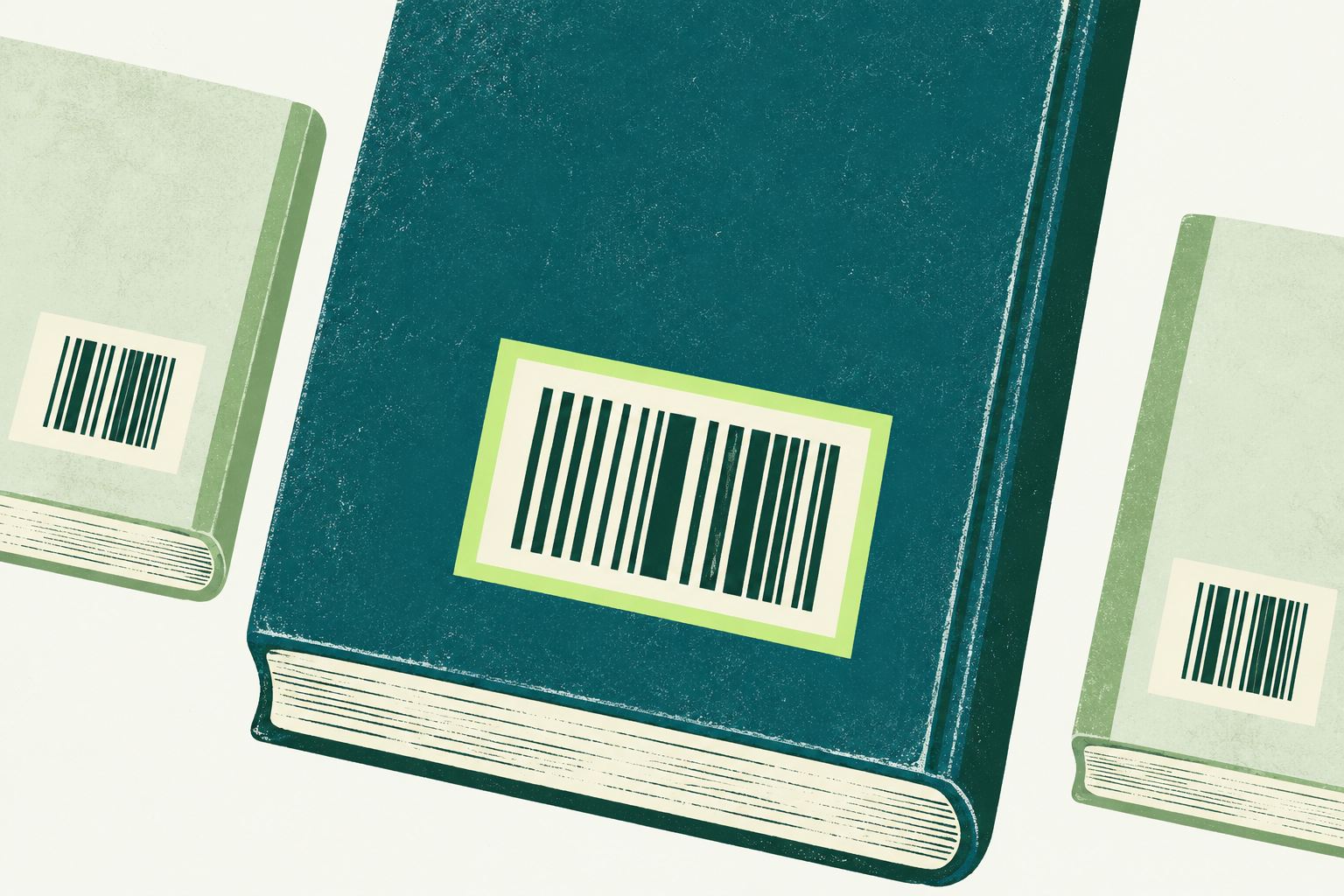
Learn where to find an ISBN, what ISBN-10 and ISBN-13 mean, and how to check lookup results before adding a book to your collection.
Build a home library catalog you can actually maintain. Start with one shelf, check book editions, and use useful labels to find what you own.
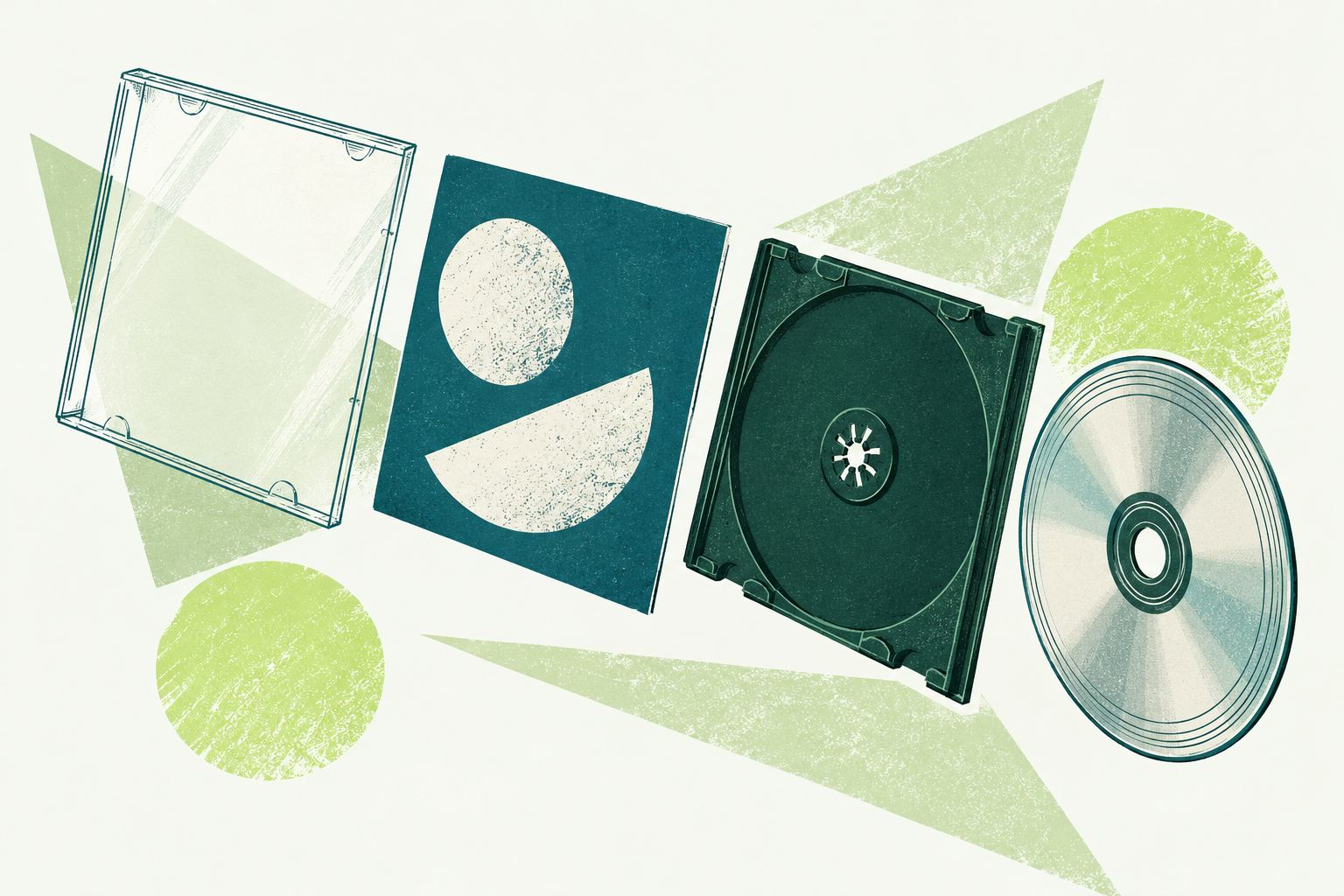
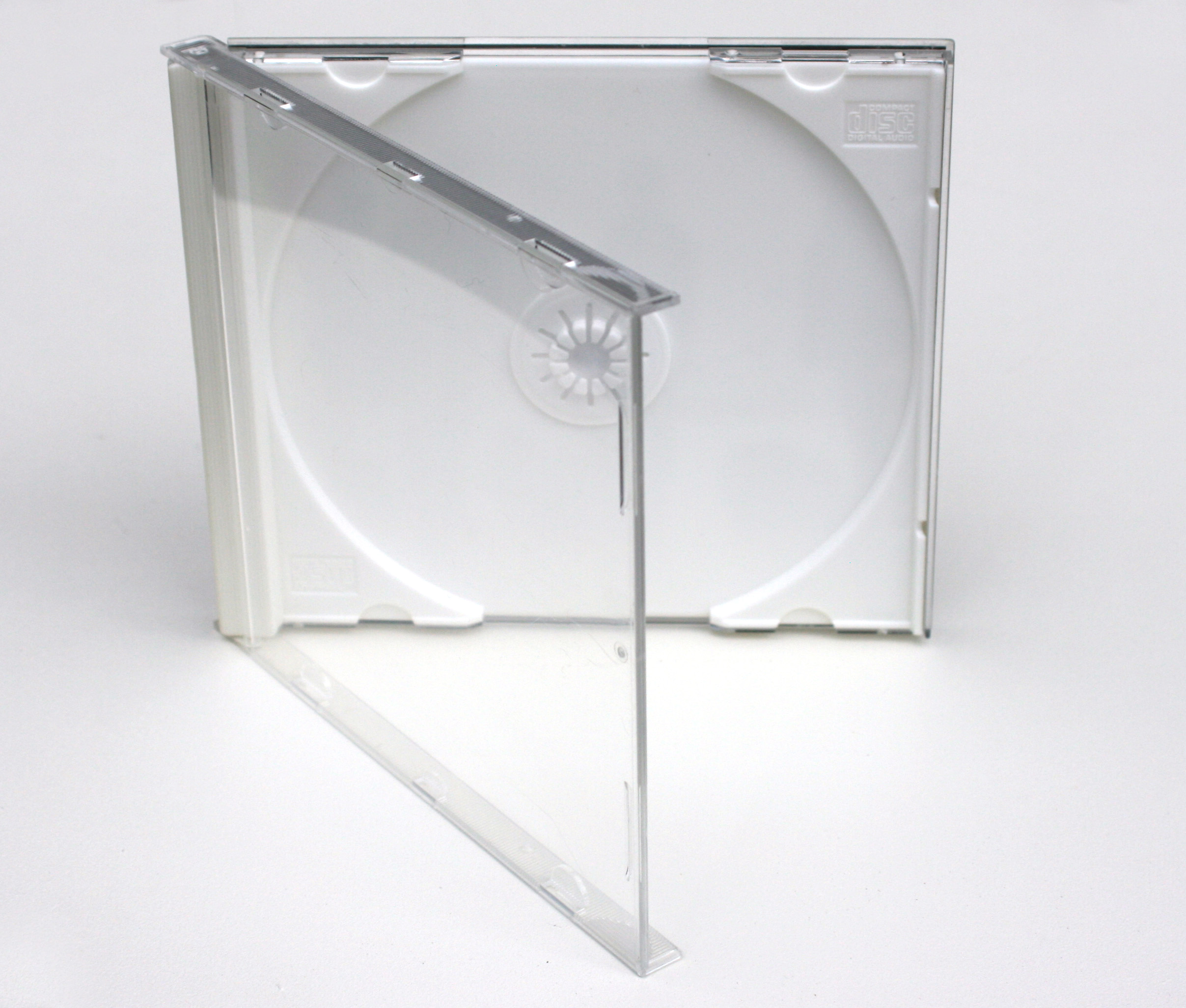
Jewel Case, Digipak or a cardboard sleeve? Learn what to look for, compare photographic examples, and choose the packaging that matches your CD release in ShelfAtlas.
Know what you own, find it faster, and rediscover the books, CDs, and vinyl records that matter to you. Here’s why we built ShelfAtlas.